
Thinking About AI for Interior Design? Think Again
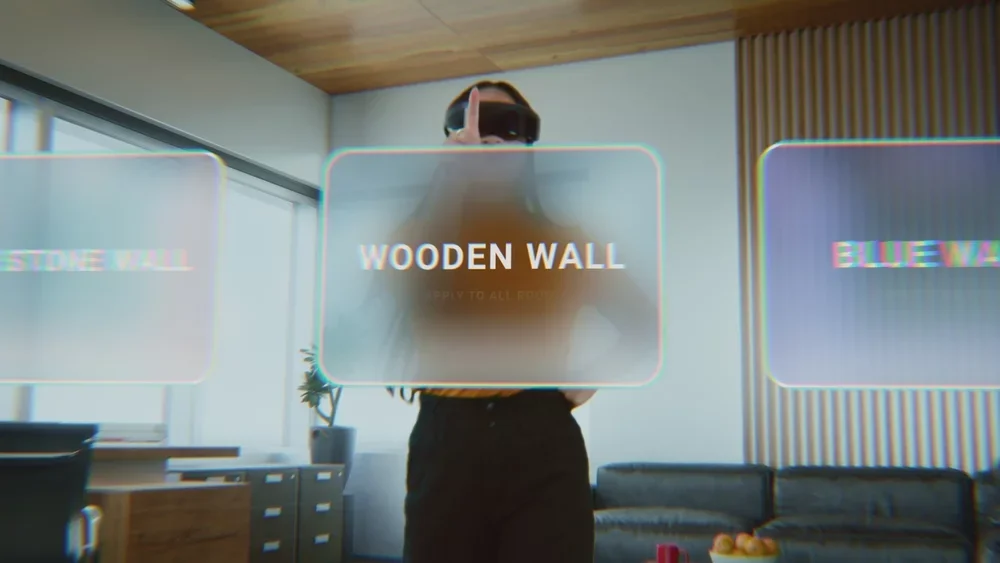
TL;DR: AI tools can offer quick inspiration, but interior design requires far more than generated images and instant suggestions. While AI for interior design may help visualize ideas, it often lacks the context, creativity, and technical understanding needed to create a truly cohesive home.
AI-generated concepts can overlook scale, functionality, and architectural limitations
Many AI tools produce repetitive or generic results
Interior design requires understanding lifestyle, flow, and materiality
Human designers bring collaboration, experience, and perspective to the process
Personalized interiors are built through thoughtful decision-making, not automation
AI has quickly become part of everyday life, including the world of interior design. From floor plan generators to AI apps for interior design, homeowners now have access to endless inspiration with only a few prompts.
While these tools can be useful for gathering ideas, they often simplify a process that is far more layered and personal in practice. A well-designed home depends on more than visual references alone. It requires an understanding of architecture, scale, functionality, materiality, and how a space supports everyday living.
Interior design is rarely one size fits all. The most successful spaces reflect not only a home’s architecture, but also the people living within it.
The Limitations of AI for Interior Design
AI-generated interiors often prioritize speed over accuracy. While renderings may appear polished at first glance, many overlook practical details that influence how a space actually Functions.
Floor plans may ignore circulation or scale. Materials may be unrealistic, unavailable, or incompatible with the architecture of the home. In some cases, AI-generated concepts present layouts or design elements that are not structurally possible at all.
Many AI tools are also designed to respond positively to user prompts rather than challenge decisions that may not work well within a space. As a result, homeowners can end up reinforcing ideas that feel visually appealing in theory but fall short in practice.
Interior design requires far more nuance than an algorithm can fully interpret. Lighting conditions, architectural context, proportion, lifestyle, and material selection all influence how a home ultimately feels and functions.
Why AI-Generated Spaces Often Feel Generic
One of the biggest limitations of using AI for interior design is the lack of individuality within the results. AI tools pull from existing imagery and widely available data, often producing spaces that feel repetitive or overly trend-driven.
The result may look polished, but rarely feels personal.
Thoughtful interiors are shaped through layering, restraint, and an understanding of how clients live within their homes. A collected space reflects personality, routine, architecture, and atmosphere in ways that cannot be replicated through automated prompts alone.
While AI can generate inspiration quickly, it cannot replace the intuition, collaboration, and perspective that comes from working directly with an experienced interior designer.
A More Personalized Approach to Design
At its core, interior design is a collaborative process. It involves listening, refining, editing, and creating spaces that feel connected to both the home and the people living there.
At Julie Rootes Interior, we approach each project with a hands-on and highly personalized process grounded in craftsmanship, functionality, and thoughtful detail. Rather than relying on AI-generated concepts, our team works closely with clients to create interiors that feel layered, timeless, and deeply individual.
From large-scale renovations to fully furnished homes, every decision is carefully considered to ensure the final result feels cohesive, elevated, and enduring.
While AI software for interior design may offer convenience, truly exceptional interiors still come from human experience, creativity, and collaboration.
Ready to create a home that feels personal, intentional, and thoughtfully designed? Work with us.