
Interior Designer vs Interior Decorator: What’s the Difference and Which Do You Need?
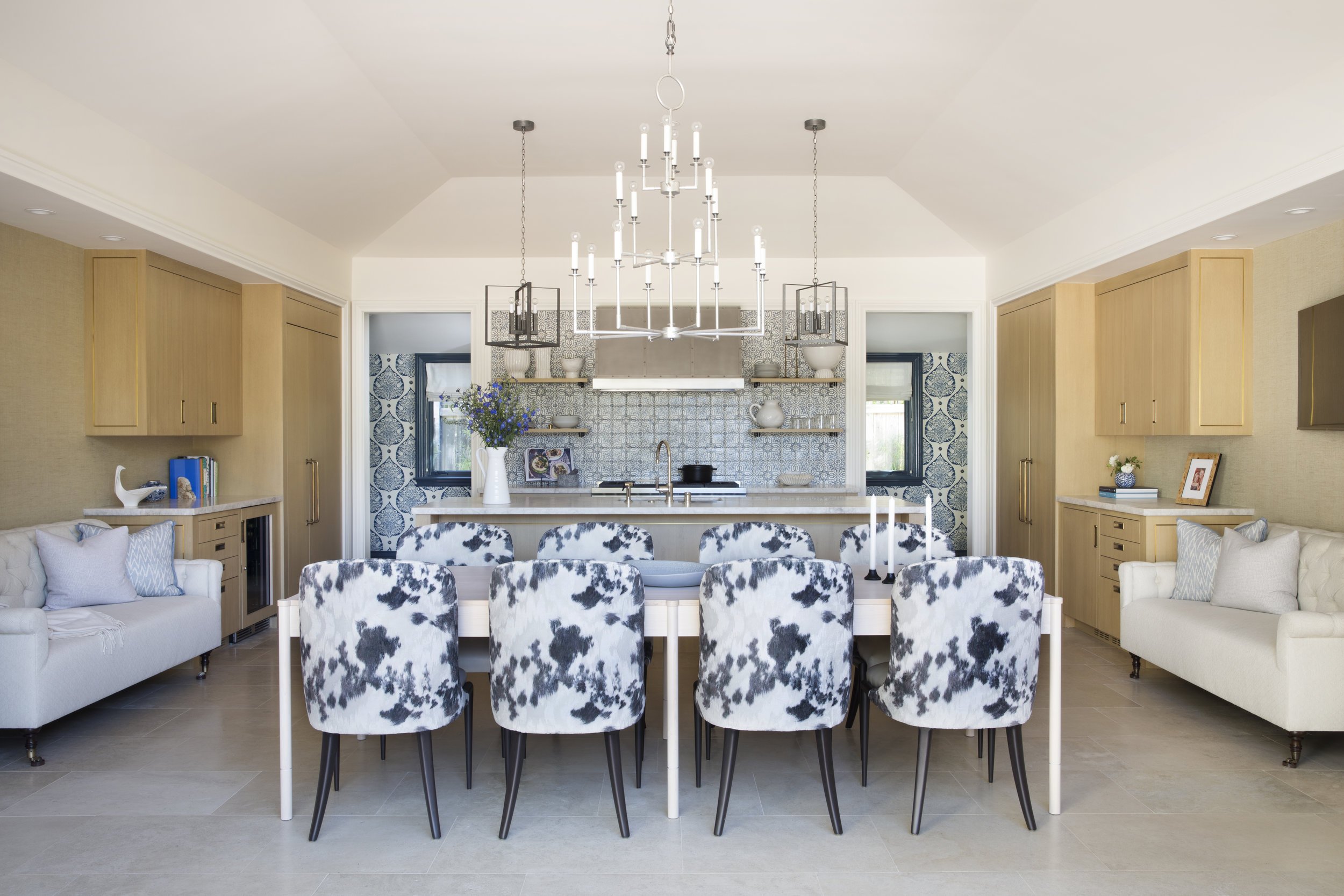
Understanding the difference between an interior designer vs interior decorator can help you choose the right partner for your home project. While decorators focus primarily on furnishings and styling, interior designers address both the beauty and functionality of a space—from layout and materials to collaboration with architects and builders. This guide explains how each role contributes to transforming a home.
Readers will discover:
What an interior decorator does and when a décor-focused refresh is appropriate
How interior designers address both aesthetics and functionality
Why interior designers often collaborate with architects, contractors, and consultants
The importance of professional training and certification in interior design
How to determine which professional is right for your project
———————
Updating your home—whether through a renovation, new construction, or simply reimagining a few key spaces—comes with an exciting opportunity to shape how you live.
As homeowners begin researching professional design help, one question often arises: Do I need an interior designer or an interior decorator?
Although the terms are sometimes used interchangeably, they represent two distinct roles within the design industry. Understanding the difference can help you choose the right partner for your project and ensure your home transformation is approached with the appropriate level of expertise.
For projects focused primarily on basic furnishings and styling, a decorator may be the right fit. For projects that involve space planning, renovations, or collaboration with architects and builders, an interior designer plays a much broader role in shaping both the form and function of a home.
For homeowners in the San Francisco Bay Area, where many homes involve renovations, historic updates, or complex remodels, the role of an interior designer often extends far beyond selecting furnishings. Designers frequently collaborate with architects and builders to ensure that both the functionality and the aesthetic vision of a home are thoughtfully executed. Designers are also skilled in creating custom furnishings, window treatments, art curation, and beyond.
The Differences Between Interior Designers and Interior Decorators
Interior Decorators
If your home simply needs a light cosmetic refresh, an interior decorator can be a great option.
Interior decorators focus primarily on the visual layer of a space—furniture, color palettes, textiles, and accessories. Their work centers on enhancing the look and atmosphere of a room without altering the underlying architecture or layout.
A decorator may assist with:
Furniture selection and layout within an existing space
Color palettes and paint selections
Window treatments and textiles
Decorative lighting and accessories
Styling and finishing touches that elevate the overall aesthetic
For projects where the structure and layout of the home remain unchanged, a decorator’s design perspective can help refresh a space efficiently and beautifully.
However, when a project involves reworking how a space functions, modifying layouts, or coordinating with contractors and architects, an interior designer is typically the better fit. Interior Designers also typically have resources far beyond what a decorator might have access to which helps elevate a space and make it feel more unique to the homeowners.
Interior Designers
Interior designers approach a home more holistically—considering both aesthetics and functionality.
Rather than focusing solely on furnishings, interior designers evaluate how a space works. This often includes space planning, architectural detailing, lighting design, finish selections, and coordination with the broader project team.
Interior designers frequently collaborate with:
Architects
Builders and general contractors
Engineers and consultants
Lighting designers
Building officials and inspectors
Custom furniture artisans and workrooms
Art advisory
Through this collaborative process, designers help ensure a home is not only beautiful but also well-planned, cohesive, and aligned with the homeowner’s lifestyle.
Professional interior designers typically have formal training in design principles, building systems, and project coordination, and many hold certifications or licensing that reflect their education and experience.
For homeowners undertaking renovations, remodels, or new construction, an interior designer can guide decisions from initial concept through installation, helping ensure the finished home feels thoughtful, cohesive, and tailored to the way the homeowner lives.
Reimagine Your Home with Help from Julie Rootes
If your project involves more than selecting retail furniture—whether it’s a kitchen renovation, a full-home remodel, or designing a new residence—working with an experienced interior designer can make a meaningful difference in the outcome.
At Julie Rootes Interiors, our full-service design studio partners with homeowners, architects, and builders to create homes that are both beautifully layered and thoughtfully planned.
Based in Marin County and serving clients throughout the San Francisco Bay Area, Wine Country, Hawaii, and beyond, our work blends architectural sensitivity with curated interiors tailored to each client’s lifestyle.
From early space planning through furnishings and final installation, we guide clients through every step of the process—ensuring that each home reflects not only beautiful design, but the way our clients truly live.
If you're considering a renovation or new home project, we’d love to help you reimagine your space.